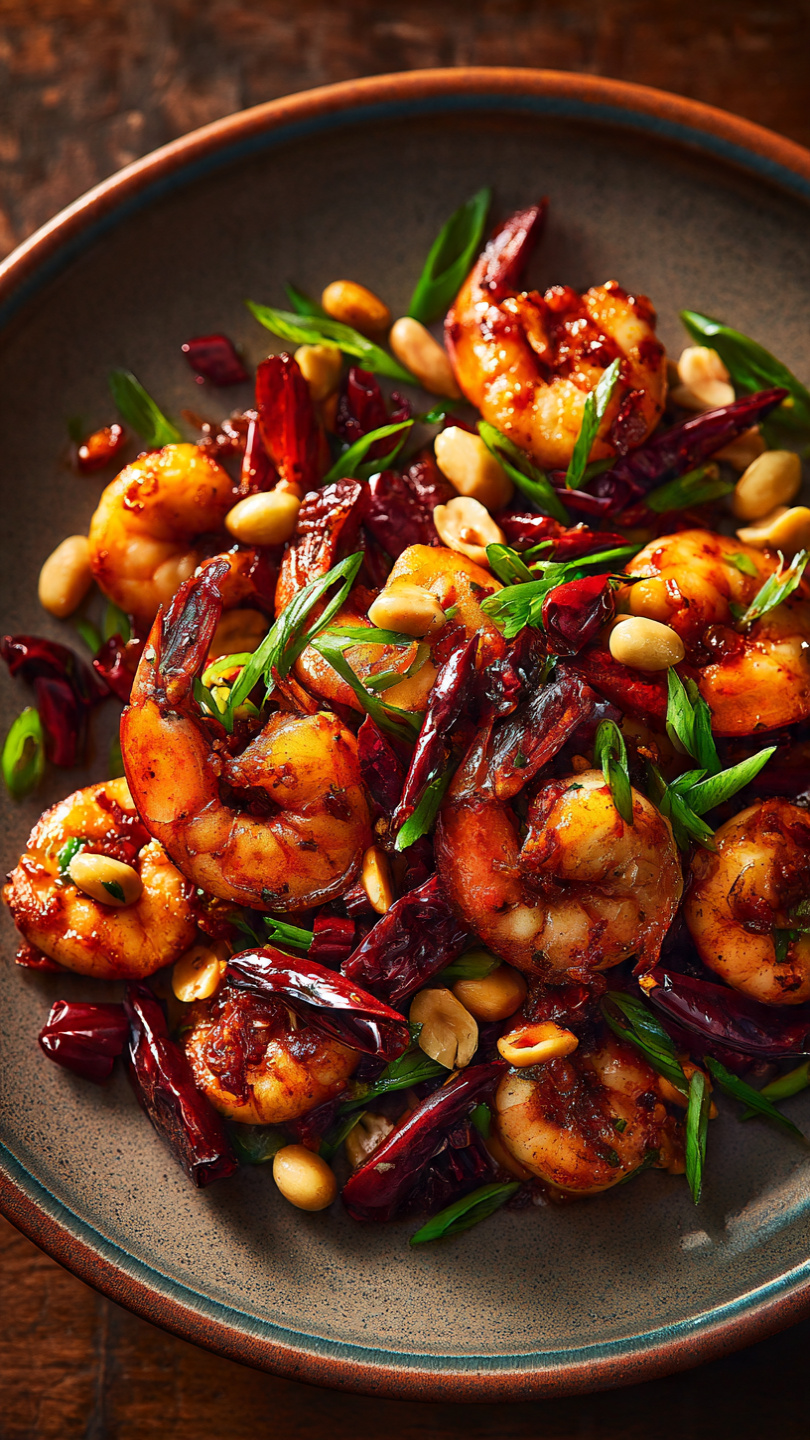
Kung Pao Shrimp With Peanuts (Better Than Takeout!)
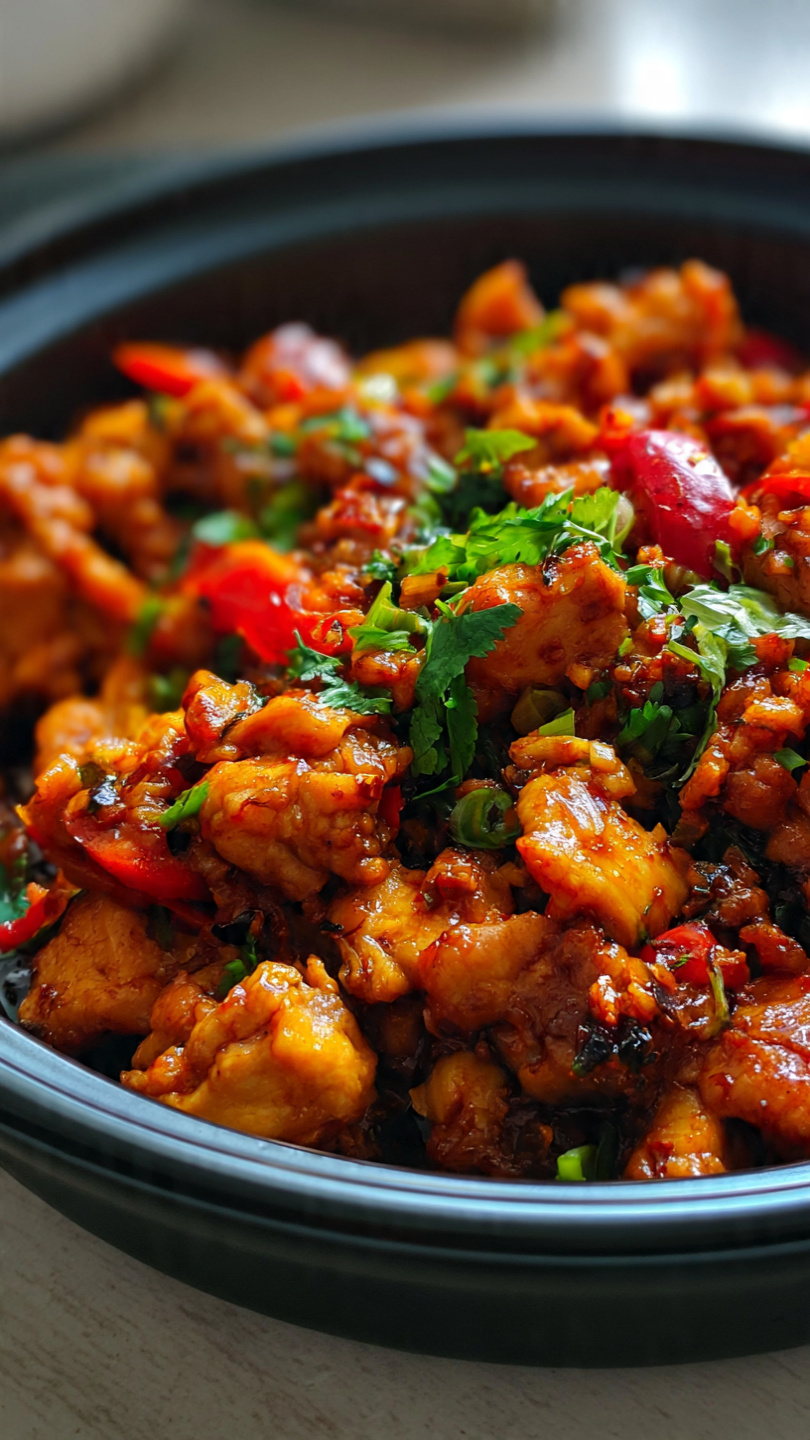
This bold and spicy Kung Pao Shrimp recipe is ready in under 30 minutes, loaded with juicy shrimp, crunchy peanuts, and a fiery, glossy sauce that rivals your favorite Chinese restaurant.

The Kung Pao Shrimp Recipe You Will Make on Repeat
If you have ever ordered Kung Pao Shrimp from your favorite Chinese takeout spot and thought, I wish I could make this at home, this is your recipe. We are talking tender, juicy shrimp tossed in a glossy, fiery sauce with crunchy peanuts, crisp vegetables, and just enough heat to make your lips tingle. It is bold, deeply savory, and honestly better than most restaurant versions because you control exactly how spicy it gets.
This spicy Kung Pao Shrimp recipe comes together in under 30 minutes, which makes it one of those weeknight dinners that genuinely feels like a treat without any of the effort. Whether you are a fan of Kung Pao Prawns from a Cantonese restaurant or the more Americanized version loaded with bell peppers and zucchini, this dish delivers on every front.
What Makes This Dish So Special
Kung Pao, at its core, is a Sichuan stir-fry technique built on a few key flavor pillars: dried red chilies for heat, a tangy-sweet-savory sauce, and the nutty crunch of peanuts. The original dish, called Gong Bao Ji Ding, was made with chicken, but the shrimp version has become a beloved staple in Chinese-American cuisine for good reason. Shrimp absorb the sauce beautifully and cook in minutes.
What sets a great Kung Pao Shrimp dish apart from a mediocre one comes down to three things:
- Dry shrimp. Pat them as dry as you can before they hit the wok. Moisture is the enemy of a good sear.
- A screaming hot pan. High heat is non-negotiable for wok cooking. It creates that slightly charred, restaurant-quality flavor.
- Balanced sauce. The Kung Pao Shrimp ingredients in the sauce, soy, rice vinegar, hoisin, chili garlic sauce, and a touch of sugar, need to be whisked and ready before anything goes in the wok.
Chef's Tip: If you do not own a wok, a large cast iron skillet or a wide stainless steel pan works just as well. The key is surface area and heat retention, not the pan shape.
Kung Pao Shrimp Ingredients You Need
One of the reasons this dish works so well is that most of the Kung Pao Shrimp ingredients are pantry staples if you cook Asian food even occasionally. Here is a quick breakdown of the stars:
- Shrimp: Large or extra-large shrimp work best here. Frozen shrimp that have been fully thawed and dried are completely fine.
- Dried red chilies: These are different from chili flakes. They toast in the oil and release a slow, smoky heat that is distinctly different from fresh chili. Find them in the Asian section of most grocery stores.
- Sichuan peppercorns: Optional but worth tracking down. They add a floral, tingly numbness that is characteristic of authentic Kung Pao and sets this apart from a simpler spicy shrimp stir-fry.
- Dry roasted peanuts: The Kung Pao Shrimp with peanuts combination is non-negotiable in our house. They add crunch, protein, and a toasty richness that rounds out the whole dish.
- Vegetables: We love red bell pepper and zucchini here for color and texture, similar to a Shrimp Subgum style presentation. Feel free to swap in broccoli florets, snap peas, or baby corn.
Having the right pantry staples and a reliable wok makes a meaningful difference when you are cooking stir-fry at home.
How to Make a Healthier Version
If you are searching for a Kung Pao Shrimp recipe that skews a little lighter, this one already has a head start. Shrimp is naturally high in protein and low in calories and fat. A few easy swaps make this an even leaner meal:
- Serve over cauliflower rice instead of steamed white rice to cut carbohydrates significantly.
- Use low-sodium soy sauce to reduce the sodium without losing any of the umami depth.
- Reduce the oil to just 1 tablespoon total. The sauce provides plenty of moisture and flavor on its own.
- Load up on vegetables. Adding extra zucchini, snap peas, or bok choy increases the fiber and volume without adding many calories.
Even in its original form, this spicy Kung Pao Shrimp recipe is a much lighter choice compared to deep-fried takeout dishes. You get all the bold flavor with genuinely wholesome ingredients.
On the Heat Level: If you are cooking for people who are sensitive to spice, shake the seeds out of the dried chilies before adding them to the oil. The chilies will still deliver flavor and aroma without the full burn. For serious heat lovers, leave the seeds in or add an extra teaspoon of chili garlic sauce to the sauce mixture.
Tips for Stir-Fry Success
If you are new to wok cooking, here are a few things that will make the biggest difference in your Kung Pao Shrimp dish:
- Mise en place is everything. Have every ingredient measured, chopped, and within arm's reach before you turn on the heat. Stir-fry moves fast.
- Cook the shrimp first, then remove them. Shrimp overcook in seconds. Cooking them separately and adding them back at the end keeps them tender and perfectly juicy.
- Do not crowd the pan. If you are doubling the recipe, cook in two batches. A crowded pan drops the temperature and you will end up steaming instead of searing.
Ready to bring this incredible Kung Pao Shrimp dish to your table? Here is the complete step-by-step recipe:
Kung Pao Shrimp With Peanuts (Better Than Takeout!)
This bold and spicy Kung Pao Shrimp recipe is ready in under 30 minutes, loaded with juicy shrimp, crunchy peanuts, and a fiery, glossy sauce that rivals your favorite Chinese restaurant.
Ingredients
- 1 1/2 lb large shrimp, peeled, deveined, tails removed
- 1/2 cup dry roasted peanuts, unsalted preferred
- 6 dried red chili peppers, whole, seeds shaken out for less heat
- 4 cloves garlic, minced
- 1 tbsp fresh ginger, grated or finely minced
- 4 green onions, sliced, white and green parts separated
- 1 red bell pepper, cut into 1-inch pieces
- 1 zucchini, cut into half-moon slices
- 2 tbsp vegetable oil, divided
- 3 tbsp soy sauce, low-sodium recommended
- 1 tbsp rice vinegar
- 1 tbsp hoisin sauce
- 1 tbsp chili garlic sauce, adjust to taste
- 1 tsp sesame oil, toasted
- 1 tsp cornstarch, mixed with 1 tbsp cold water to make a slurry
- 1 tsp granulated sugar
- 1/2 tsp Sichuan peppercorns, optional but highly recommended for authentic flavor
Instruction
Pat the shrimp completely dry with paper towels. This is the single most important step for getting a good sear instead of steaming the shrimp.
In a small bowl, whisk together the soy sauce, rice vinegar, hoisin sauce, chili garlic sauce, sesame oil, sugar, and cornstarch slurry. Set the sauce aside.
Heat 1 tablespoon of vegetable oil in a large wok or skillet over high heat until it just begins to smoke. Add the shrimp in a single layer and cook undisturbed for 60 to 90 seconds per side until pink and curled. Remove to a plate and set aside.
Add the remaining tablespoon of oil to the same wok. Add the dried chili peppers and Sichuan peppercorns if using and stir-fry for 30 seconds until fragrant and just beginning to darken.
Add the white parts of the green onions, garlic, and ginger. Stir-fry for 45 seconds, keeping everything moving so nothing burns.
Add the red bell pepper and zucchini. Stir-fry for 2 to 3 minutes until the vegetables are crisp-tender but still have a bite.
Pour the sauce over the vegetables and stir to coat everything evenly. Let it bubble for 30 seconds until the sauce thickens slightly.
Return the shrimp to the wok and toss to coat. Add the peanuts and the green parts of the green onions and give everything one final toss.
Serve immediately over steamed white rice or noodles.
Equipment
- Large wok or 12-inch skillet
- Small mixing bowl
- Whisk
- Tongs or wooden wok spatula
- Paper towels
- Cutting board and chef's knife
Notes
Serving and Storing Your Kung Pao Shrimp
This dish is best served immediately, straight from the wok while the sauce is glossy and the peanuts are still crunchy. Steamed jasmine rice is the classic pairing, but it is also wonderful over lo mein noodles or tucked into lettuce cups for a lighter presentation.
For leftovers, store them in an airtight container in the refrigerator for up to 3 days. Reheat in a hot skillet with a splash of water rather than the microwave, which tends to make shrimp rubbery. The flavors actually deepen overnight, so day-two leftovers are genuinely delicious.
Whether you are cooking this as a quick weeknight dinner, impressing guests, or simply chasing that perfect takeout flavor from your own kitchen, this Kung Pao Shrimp recipe delivers every single time.