Old Fashioned Beef Stew
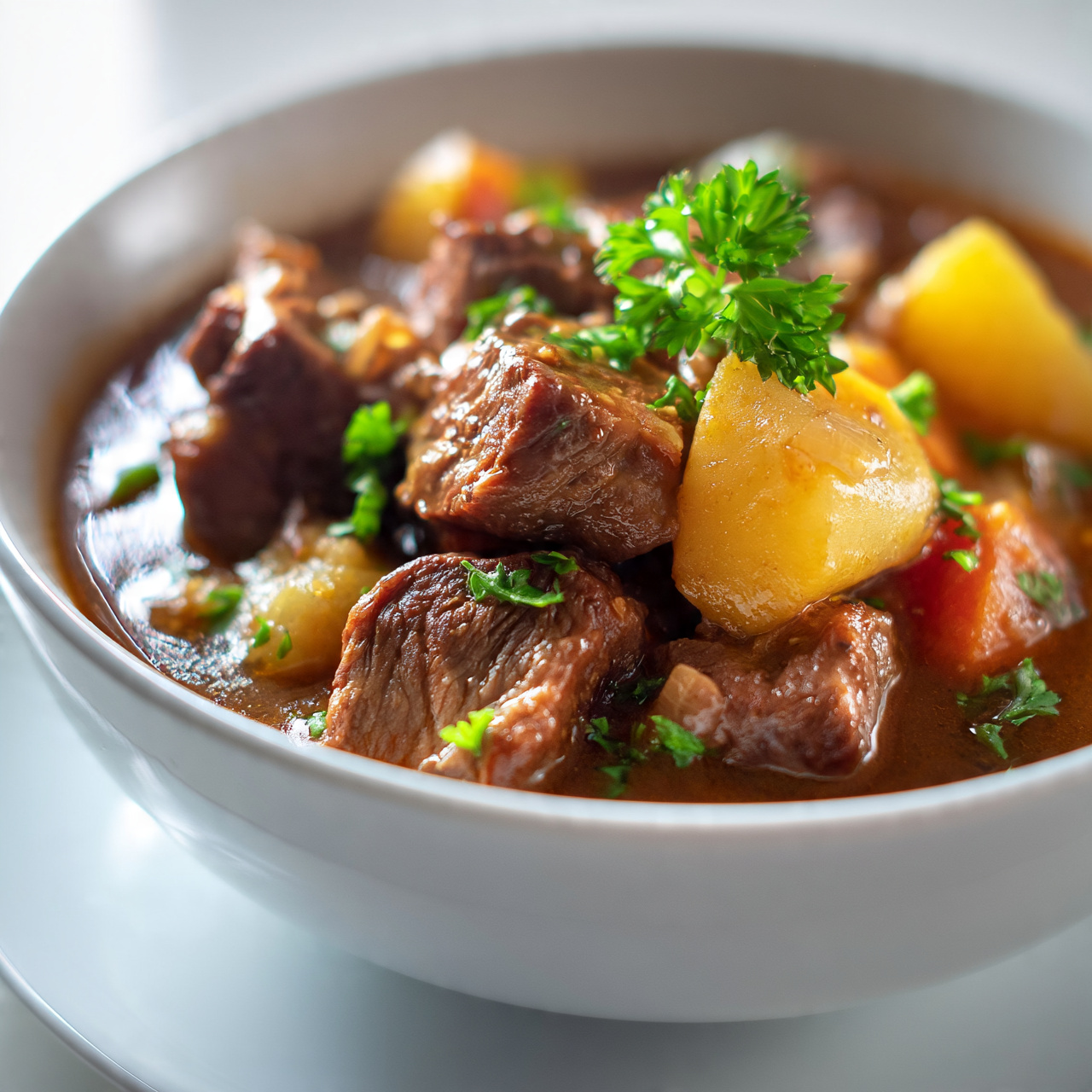
This Old Fashioned Beef Stew recipe delivers fall-apart tender beef, hearty vegetables, and a rich, deeply savory broth that tastes like it simmered on grandma's stove all day. The ultimate classic beef stew recipe for cozy weeknight dinners or Sunday suppers.

The Best Old Fashioned Beef Stew You Will Ever Make
There are certain recipes that feel less like cooking and more like an act of care. This Old Fashioned Beef Stew is one of them. It is the kind of dish that perfumes your whole house with something deep and savory and warm, the kind that makes people wander into the kitchen asking what smells so incredible. It is a Classic Beef Stew Recipe in the truest sense: humble ingredients, patient cooking, and a payoff that is completely worth every minute.
This is not a shortcut recipe. It is a proper one. And that is exactly why it is so good.
Why This Classic Beef Stew Recipe Works
A lot of beef stew recipes exist in the world, but not all of them are created equal. The difference between a flat, watery stew and one that tastes like it simmered on your grandmother's stove for hours comes down to a few key techniques:
- Searing the beef properly. That deep brown crust is not just for looks. It builds an enormous amount of flavor through the Maillard reaction, and it is absolutely non-negotiable.
- Using chuck roast. Lean cuts dry out. Chuck has the right amount of fat and collagen to become meltingly tender during a long braise.
- Deglazing with wine. Those browned bits stuck to the bottom of the pot are pure flavor. A splash of red wine lifts every single one of them back into your stew.
- Adding vegetables at the right time. Potatoes and carrots go in halfway through so they become tender without completely dissolving.
These are the details that separate a good stew from the Best Beef Stew Recipe you have ever tasted.
Before we dive into the cooking process, the right equipment genuinely changes how this recipe comes together. A proper heavy-bottomed Dutch oven is the single most important tool for How To Make Old Fashioned Beef Stew the right way. It holds heat evenly, allows a perfect sear, and transitions seamlessly from stovetop to a low simmer.
How To Make Old Fashioned Beef Stew: Step by Step
Step 1: Start With Dry, Well-Seasoned Beef
Before anything else, pat your beef cubes completely dry with paper towels. This might feel like a small detail, but it is one of the most important steps in the entire recipe. Wet beef steams instead of sears, and a steamed piece of beef will never develop that gorgeous brown crust you are after.
Once dry, toss the cubes in flour, salt, and pepper. The flour does double duty: it helps the crust form faster and it subtly thickens the broth as the stew cooks.
Chef's Tip: Work in two batches when searing the beef. Crowding the pot drops the temperature dramatically and leads to gray, steamed meat instead of beautifully browned pieces. Give each cube room to breathe.
Step 2: Build the Base
After searing, you will notice a layer of dark, sticky residue on the bottom of your pot. Do not panic and do not wash it off. That is called fond, and it is the backbone of your stew's flavor. The onions and celery go in next, softening and absorbing all of that goodness, followed by garlic and tomato paste, which add another layer of richness and color.
The red wine comes in right after, and as it bubbles and steams, it lifts every last bit of fond from the bottom of the pot. Take a moment to scrape thoroughly with your wooden spoon. You will see the broth transform from pale to a beautiful deep amber almost immediately.
Step 3: The Long, Gentle Simmer
This is where patience becomes your best ingredient. Once the broth, Worcestershire, herbs, and beef are all back in the pot, you are going to lower the heat, cover everything, and let time do the work. A full hour of gentle simmering turns even a tough cut of chuck into something that practically falls apart at the touch of a fork.
After that first hour, in go the potatoes and carrots. Another 40 minutes or so, and your Old Fashioned Beef Stew Recipe is nearly complete.
Chef's Tip: Resist the urge to crank the heat to speed things up. A hard boil will make the beef tough and stringy. Low and slow is the only way.
Ready to get every detail exactly right? Here is the complete recipe card:
Old Fashioned Beef Stew
This Old Fashioned Beef Stew recipe delivers fall-apart tender beef, hearty vegetables, and a rich, deeply savory broth that tastes like it simmered on grandma's stove all day. The ultimate classic beef stew recipe for cozy weeknight dinners or Sunday suppers.
Ingredients
- 2 lb beef chuck roast, cut into 1.5-inch cubes, excess fat trimmed
- 3 tbsp all-purpose flour, for dredging
- 1 1/2 tsp kosher salt, divided
- 3/4 tsp black pepper, freshly ground
- 3 tbsp vegetable oil, or canola oil
- 1 yellow onion, large, roughly chopped
- 4 garlic cloves, minced
- 2 tbsp tomato paste
- 1/2 cup dry red wine, such as Cabernet Sauvignon or Merlot; sub with more broth if preferred
- 3 cups beef broth, low sodium
- 1 tbsp Worcestershire sauce
- 3 fresh thyme sprigs, or 0.5 tsp dried thyme
- 2 bay leaves
- 1 1/4 lb Yukon Gold potatoes, cut into 1-inch chunks, peeled or unpeeled
- 3 carrots, large, peeled and sliced into 1-inch pieces
- 3 celery stalks, sliced into 0.5-inch pieces
- 1 cup frozen peas, added at the very end
- 2 tbsp fresh flat-leaf parsley, chopped, for garnish
Instruction
Pat the beef cubes completely dry with paper towels. In a large bowl, toss the beef with the flour, 1 teaspoon of salt, and the black pepper until evenly coated. Shake off any excess flour.
Heat 2 tablespoons of oil in a large Dutch oven or heavy-bottomed pot over medium-high heat until shimmering. Working in two batches to avoid crowding, sear the beef on all sides until a deep brown crust forms, about 3 to 4 minutes per side. Transfer the seared beef to a plate and set aside.
Reduce the heat to medium and add the remaining tablespoon of oil to the pot. Add the chopped onion and celery and cook, stirring occasionally, until softened, about 5 minutes. Add the minced garlic and tomato paste and cook for 1 to 2 minutes more, stirring constantly, until the tomato paste darkens slightly.
Pour in the red wine and use a wooden spoon to scrape up all the browned bits stuck to the bottom of the pot. Let the wine simmer and reduce by half, about 2 minutes.
Return the seared beef and any accumulated juices to the pot. Pour in the beef broth and Worcestershire sauce. Add the thyme sprigs and bay leaves. Stir to combine, then bring the mixture to a boil.
Once boiling, reduce the heat to low, cover the pot with a lid, and simmer gently for 1 hour, stirring occasionally.
After 1 hour, add the potatoes and carrots. Stir to submerge them in the broth, cover again, and continue simmering for another 35 to 45 minutes, or until the potatoes and carrots are completely fork-tender and the beef practically falls apart.
Remove and discard the thyme sprigs and bay leaves. Taste the stew and adjust seasoning with the remaining 0.5 teaspoon of salt and additional pepper as needed. If you prefer a thicker broth, stir together 1 tablespoon of cornstarch with 2 tablespoons of cold water and stir it into the simmering stew.
Stir in the frozen peas and cook for 2 more minutes until heated through. Ladle into bowls, garnish with fresh parsley, and serve hot.
Equipment
- Large Dutch oven or heavy-bottomed pot (at least 6-quart)
- Wooden spoon or silicone spatula
- Large mixing bowl
- Paper towels
- Chef's knife and cutting board
- Ladle
- Measuring cups and spoons
Notes
Serving, Storing, and Making It Your Own
What to Serve With Beef Stew
This stew is hearty enough to be a complete meal on its own, but a few accompaniments make it even better:
- Crusty sourdough or a warm baguette for soaking up every drop of that incredible broth
- Buttery egg noodles as a classic base
- Creamy mashed potatoes if you want to skip the potatoes in the stew itself
- A simple green salad to lighten the meal
Variations Worth Trying
The beauty of a Classic Beef Stew Recipe is how forgiving and adaptable it is. A few ideas to make it your own:
- Add mushrooms. A handful of cremini or button mushrooms added with the onions deepens the umami flavor considerably.
- Try parsnips. Swap half the carrots for parsnips for a slightly sweeter, earthier stew.
- Make it in the slow cooker. Complete the searing and deglazing steps on the stovetop, then transfer everything to a slow cooker and cook on low for 8 hours or high for 4 to 5 hours.
- Go without wine. Just use extra broth and a small splash of balsamic vinegar for a similar depth without the alcohol.
However you serve it, this Old Fashioned Beef Stew is the kind of recipe that earns a permanent spot in your rotation. It is comfort food at its most honest, and it never, ever gets old.